
⚡ThirdSpace BUZZ: Shadow Over Sicily
The Last Boss: From the Shadow of Castelvetrano to the Fall of Messina Denaro.
ThirdSpace BUZZ is an edgy newsletter on whatever the fuck I want.
I wouldn’t really call it a fall, the dude has a nice ride out after years of pulling boss moves and building the biggest mafia family you never heard about.
Not to mention the olives.
🫒👇

Sponsored by:
Help us grow by sponsoring our newsletter and reaching an engaged community.


“The truth is gonna come out in the wash.”
— Dane-Michael

⚡ Matteo Messina Denaro: The Playboy Capomandamento
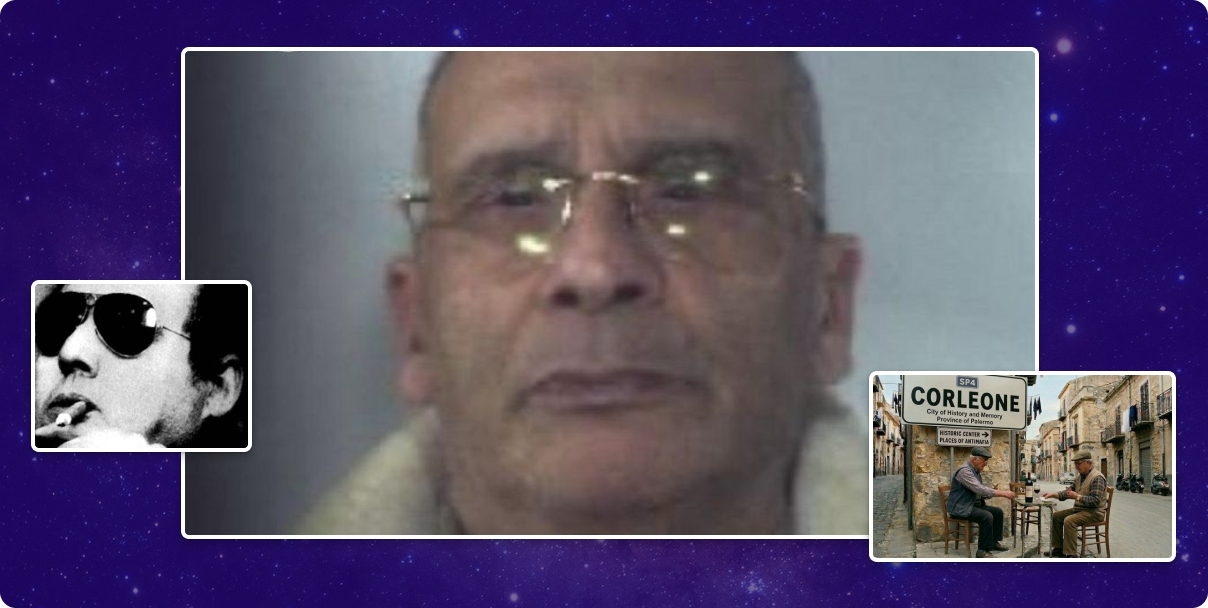
Matteo Messina Denaro shattered the traditional archetype of the Sicilian mafioso. Known alternately as Diabolik and U Siccu (The Skinny One), he eschewed the austere, rural isolation favored by his predecessors, choosing instead a lifestyle defined by tailored Armani suits, luxury Rolex watches, and sports cars.
This conspicuous consumption masked a calculating criminality that allowed him to evade capture for thirty years. Messina Denaro ascended to the apex of Cosa Nostra, serving as the ultimate custodian of the organization’s secrets and financial networks.
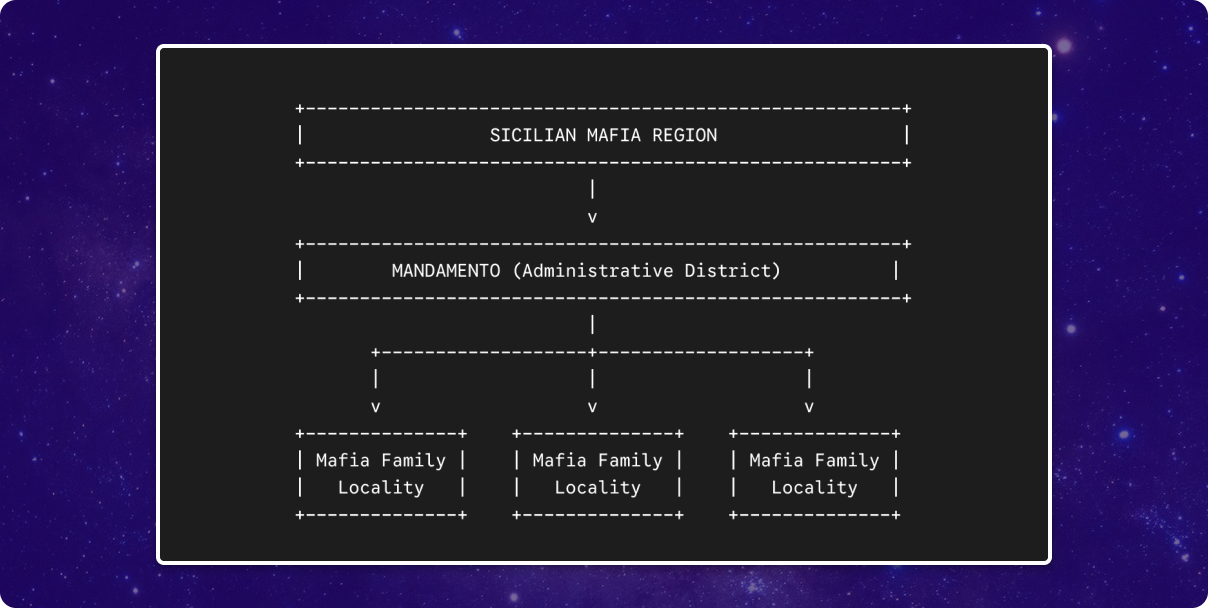
His authority emanated from his role as the leader of the Castelvetrano mandamento. In the structural hierarchy of the Sicilian Mafia, a mandamento represents a critical administrative district, typically consolidating three geographically contiguous Mafia families under the centralized command of a capomandamento. Messina Denaro inherited this territory from his father, Francesco Messina Denaro, a powerful patriarch of the Trapani underworld.
Rather than merely maintaining this inheritance, the younger boss radically reorganized the criminal landscape, unifying twenty distinct Mafia families across the Trapani province into a single, cohesive unit. This consolidation transformed Trapani into the zoccolo duro (solid pedestal) of Cosa Nostra, establishing an ironclad parallel power structure completely independent of the traditional power base in Palermo.
Messina Denaro’s tenure left a devastating legacy of violence and systemic economic manipulation. He was a principal architect of the brutal 1992 and 1993 bombing campaigns designed to coerce the Italian state, which resulted in the assassinations of anti-mafia prosecutors Giovanni Falcone and Paolo Borsellino, alongside fatal attacks in Florence, Milan, and Rome. Beyond state-level terrorism, his local enforcement was unmerciful; he famously boasted that he could populate a cemetery entirely with his own victims.
Concurrently, he constructed a multi-billion-euro financial empire. Italian law enforcement eventually seized vast networks of legitimate-facing businesses, including major supermarket chains, construction consortia, and extensive wind-energy farms.
These enterprises systematically monopolized the local economy, dictating regional employment and laundering illicit capital on an unprecedented scale.
The fugitive era concluded abruptly on January 16, 2023. Acting on intelligence gathered through extensive surveillance of his close associates, specialized anti-mafia units cornered Messina Denaro at a private medical clinic in Palermo, where he had been receiving chemotherapy under the alias Andrea Bonafede. His physical condition deteriorated rapidly, leading to his death in a prison hospital in L’Aquila in September 2023. His demise marked the definitive closure of the violent Corleonesi-driven epoch of the Sicilian Mafia.
The Muddy Feet of Corleone
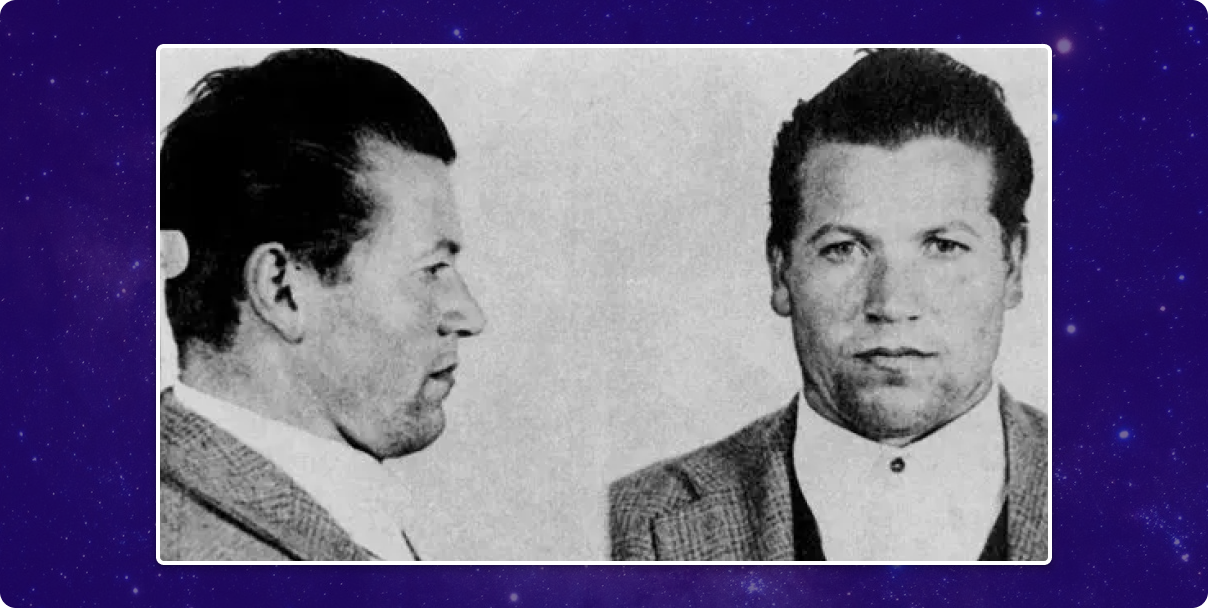
The Corleonesi faction fundamentally altered the geopolitical landscape of Italian organized crime during the late twentieth century. Originating from the insular agricultural town of Corleone, this coalition aggressively infiltrated the Sicilian Mafia Commission. The established, aristocratic crime families of Palermo initially dismissed these provincial newcomers as i viddani (the peasants) or peri ‘ncritati (muddy feet), viewing them as unsophisticated rural bandits.
This miscalculation proved fatal. Utilizing absolute violence, the Corleonesi initiated the Second Mafia War (1981–1983), systematically executing hundreds of Palermo aristocrats and securing absolute hegemony over the island’s criminal architecture.
Bernardo Provenzano navigated this bloody ascension through a starkly dual persona. In his youth, he earned the moniker Binnu u tratturi (Bernie the tractor) due to his propensity for clearing obstacles and rivals with uncompromised firepower, most notably demonstrated during the 1969 Viale Lazio massacre.
As the organization solidified its power, however, Provenzano evolved into Il ragioniere (the accountant). He became the indispensable administrative mastermind behind Salvatore Riina’s chaotic tyranny, managing complex financial portfolios, extortion rackets, and institutional bribery with meticulous precision.
Following Riina’s arrest in 1993, the organization faced internal division regarding its future trajectory. While hardline factions advocated for continued overt warfare against the Italian government, Provenzano implemented the “strategy of submersion.” This doctrine mandated a cessation of spectacular public violence in favor of absolute invisibility. Under Provenzano’s guidance, Cosa Nostra became a quiet regulatory body, focusing on quiet public procurement fraud, commercial infiltration, and mutual coexistence with state institutions.
He managed this vast clandestine network during a forty-three-year period as a fugitive, communicating exclusively through pizzini—microscopic, typed paper notes wrapped in clear adhesive tape and delivered via a complex chain of trusted couriers—until his eventual capture in a basic farmhouse near Corleone in 2006.
🏘️ Crossroads of Antiquity and the Underworld
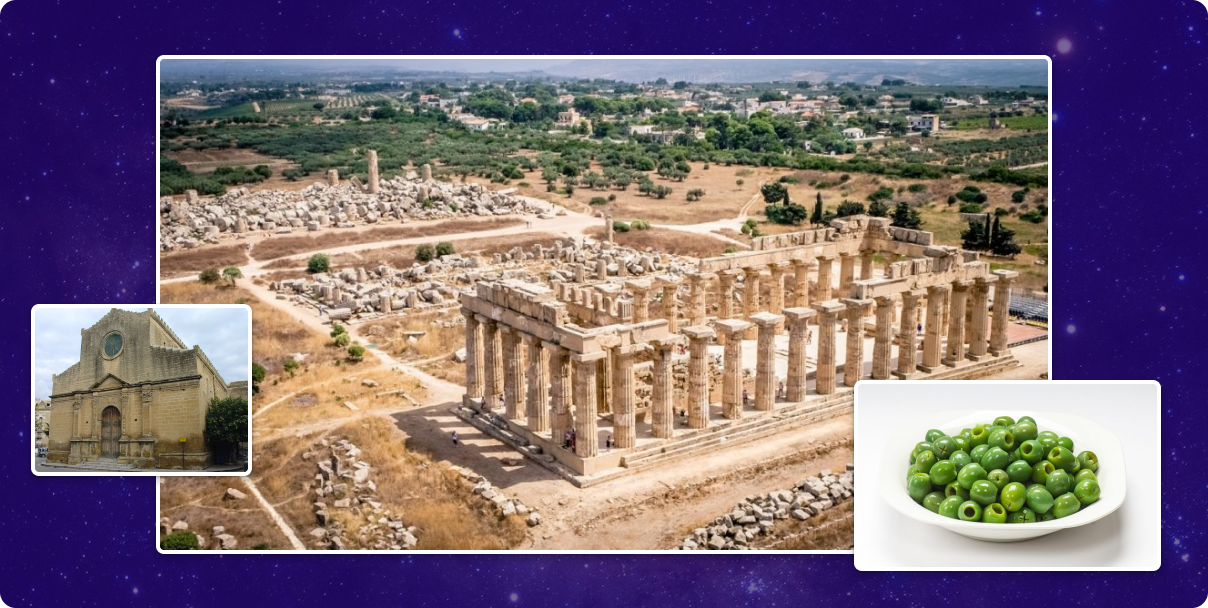
Castelvetrano occupies a strategic geographical position within the Belice Valley of southwestern Sicily. Characterized by its classical European layout, the town features historic architectural ensembles such as the Piazza Tagliavia and the sixteenth-century Church of Domenico. For centuries, the municipality has functioned as a vital hub for regional commerce and agricultural processing.
The local economy relies heavily on the cultivation of the Nocellara del Belice olive, a unique variety globally recognized for its deep green hue and firm texture. The region holds a dual Protected Designation of Origin (PDO) status from the European Union, certifying both the raw table olives and the extra-virgin olive oil extracted from them.
This agricultural heritage exists alongside Selinunte, one of Europe’s most expansive archaeological preserves. Situated on the coastal periphery of Castelvetrano, Selinunte contains the well-preserved ruins of ancient Greek temples, fortifications, and civic spaces dating back to the fifth century BCE, drawing international scholars and tourism.
Despite these significant cultural and agricultural achievements, Castelvetrano spent the late twentieth and early twenty-first centuries profoundly impacted by its association with the Messina Denaro lineage.
The town functioned as both the birth place and the logistical command center for the Trapani mandamento, creating a climate of omertà (the code of silence) that complicated civic development and international investment for decades.

Help us grow by advertising your business in our newsletter and reaching an engaged community.
