
⚡ThirdSpace BUZZ: Decoding the Evolution of the Irish Mob
From Bootlegging in Chicago to Global Logistical Super-Cartels, We Unpack the Real History Behind the Myth of the Irish Underworld
ThirdSpace BUZZ is an edgy newsletter on whatever the fuck I want.
You think you know the Irish mob because you watched a Scorsese flick once? Adorable. Forget the leprechauns and the sentimental ballads about County Cork.
Real organized crime isn’t about wearing green on St. Patrick’s Day; it’s about blood, logistics, and terrifyingly cold business decisions that don’t involve a single four-leaf clover.
🍀

Sponsored by:
Help us grow by sponsoring our newsletter and reaching an engaged community.

“Architecture is a dangerous mix of power and importance.”
— Rem Koolhaas

⚡ The Architecture of Influence: From Hell’s Kitchen to Global Power
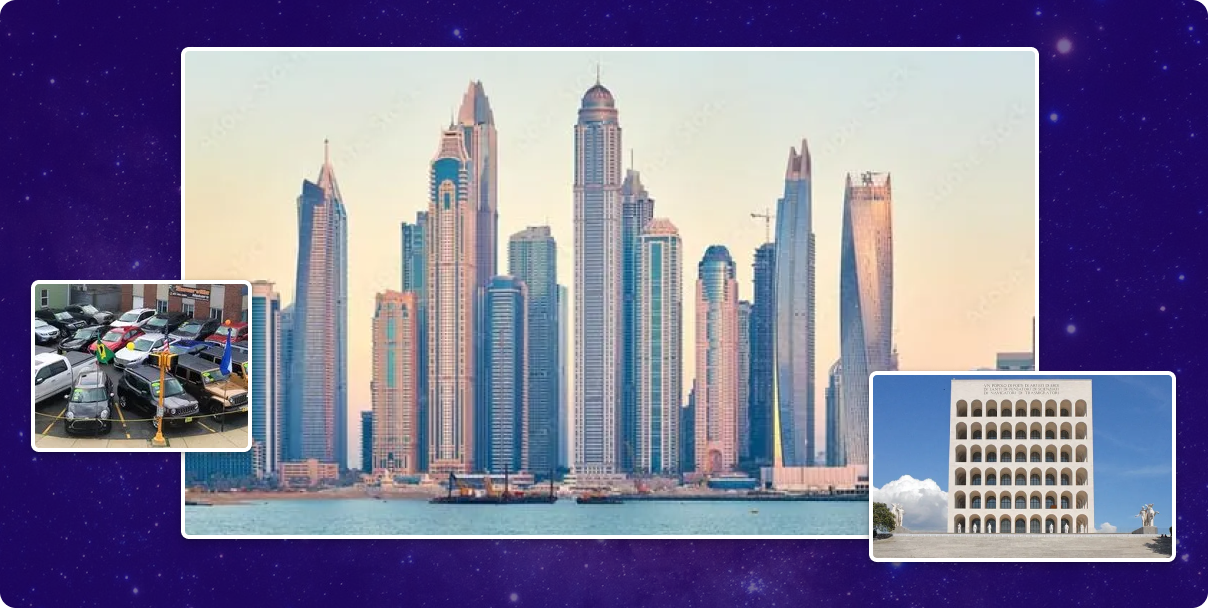
The history of Irish organized crime is often romanticized, distorted by the lens of Hollywood into a tale of neighborhood brawlers and whiskey-soaked toughs.
The Era of Neighborhood Sovereignty
In the 19th and early 20th centuries, the “Irish Mob” in America was not a monolith. It was a collection of hyper-local, neighborhood-based gangs. In cities like New York, Boston, and Chicago, these groups were the direct product of the immigrant experience. When you live in a place like the Five Points or South Boston, where the state is absent and the law is a tool of the “other,” you build your own order.
These organizations were the original community-based policing forces. They controlled the turf because they provided the stability—however violent—that the municipal government failed to deliver. Their rackets were personal: protection money from the local shopkeeper, a cut of the gambling parlors, and total dominance over the local labor unions. This was not the corporate structure of the Italian Mafia; it was a democratic, chaotic, and brutal manifestation of survival.
The Prohibition Catalyst
The 1920s changed everything. Prohibition was the great equalizer, turning neighborhood thugs into international entrepreneurs overnight. When the U.S. government decided to outlaw alcohol, they effectively handed the keys to the kingdom to the Irish gangs in Chicago and New York.
Take Dean O’Banion’s North Side Gang. They didn’t just fight for street corners; they fought for distribution networks. They understood that the value of the commodity far outweighed the value of the territory. This was the moment Irish organized crime stopped being about the “neighborhood” and started being about the “supply chain.” It is a pivot every criminal organization must make if it wants to survive.
The Shift to “Legit” Infiltration
As the mid-20th century dawned, the Irish underworld began to understand that real power wasn’t just in the barrel of a gun; it was in the ledger. They mastered the art of the “legal racket.”
By infiltrating the International Longshoremen’s Association and various construction trades, they didn’t just extract money; they became the gatekeepers of industry. They weren’t just running protection; they were controlling the flow of goods into the city. This is where your narrative characters can find their footing. Whether it’s an Italian Rationalist building project in Milan or a high-end logistics firm in Tokyo, the goal is always the same: make the criminal enterprise look like the plumbing of the legitimate world.
The Kinahan Era: The Global Super-Cartel
If the mid-20th century was about unions, the 21st century is about geography. The rise of the Kinahan Organized Crime Group (KOCG) signaled the death of the “neighborhood mob.” They didn’t care about a street corner in Dublin; they cared about cocaine routes from South America to Europe and the Middle East.
Using Dubai as their command-and-control center, the Kinahans bypassed the traditional “street” limitations. They utilized private aviation, maritime freight, and sophisticated crypto-laundering to keep their assets mobile. They became a service provider for other cartels. They were the logistics company of the global drug trade.
However, as we saw in 2026, even the most sophisticated “super-cartel” is vulnerable. The arrest of Daniel Kinahan in the UAE proved that when you play on a global stage, you lose the protection of the local neighborhood. When the state finally decides to coordinate across borders, the “invisibility” that once protected you becomes your primary liability.
Literary Application: Integrating the “Irish” Archetype
If you are writing a complex narrative involving Japanese, Italian, and Irish elements, do not fall into the trap of using Irish characters as mere “muscle.”
The Infiltrator: The modern Irish mobster is an infiltrator. They are the person in the boardroom, the person in the union office, the person who understands the architecture of the city better than the city planners.
The Strategic Disconnect: Irish organizations lack the internal moral or religious bureaucracy of the Yakuza or the Mafia. This makes them more dangerous, but also more unpredictable. They can partner with anyone if the numbers in the ledger look right.
The Rationalist Mirror: Consider using the stark, cold, and functional aesthetics of Italian Rationalist architecture as a setting for your Irish characters. It serves as a perfect visual counterpoint to their pragmatic, “business-first” approach to crime. It shows that they, like the architects of that movement, believe in efficiency above all else.
The Future of the “Invisible” Underworld
The Irish mob of 2026 is no longer about fighting for a pub in Boston. It is about the digital, the logistical, and the transnational. As you refine the plot of Cannolo, consider that the most effective criminal is not the one with the loudest tattoos or the biggest entourage. It is the one who operates in the gaps between international jurisdictions, using the complexity of the global economy as their primary weapon.
🏘️ The Boston-Based Winter Hill Crime Gang
Marshall Motors on Marshall Street in Somerville, Massachusetts, served as the primary headquarters and fortified social club for Boston's notorious Winter Hill Gang. Led by key figures like James 'Buddy' McLean and later Whitey Bulger, this ordinary-looking auto body shop was far more than a simple business. It acted as a highly secure criminal base where the crew orchestrated gambling, extortion, and high-profile hits while evading constant law enforcement surveillance.

Help us grow by advertising your business in our newsletter and reaching an engaged community.
